What is the point of Parliamentary committees? Why do they exist at all?
This might sound like a rhetorical question. It’s not.
For those who want a refresher on Civics 101, here’s a summary from Google:
“Parliamentary committees serve smaller, specialized groups of lawmakers who scrutinize legislation, oversee government activities, and conduct detailed investigations. They perform this work to save time for the main legislative chamber and ensure deeper expert analysis.
You may be wondering why I’m bringing up some inane definition on a warm Friday summer day. I’m supposed to be giving you an interesting read, after all — not a lecture on the obscure inner workings of Parliament.
I’m bringing it up because it matters. And because Liberal MPs who sit on committees seem to have forgotten why they’re there in the first place.
Let me explain.
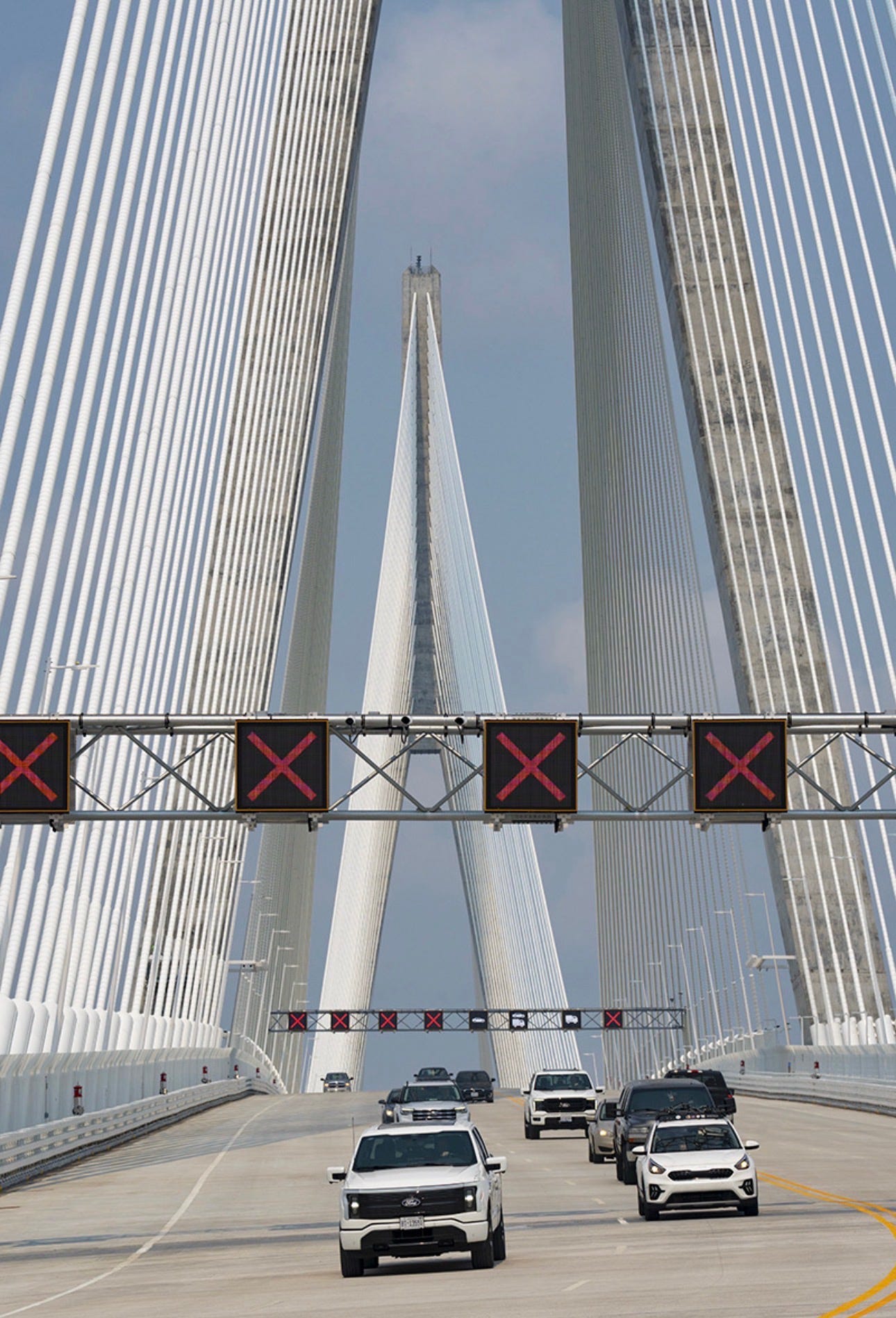
Earlier this week, the House of Commons Standing Committee on Government Operations met to analyze Mark Carney’s Gordie Howe bridge deal. Conservatives called the meeting because there are many questions swirling about this deal, and what it means for Canada — questions the Prime Minister has been content to leave unanswered.
If you want a background on the deal, check out my deep dive from a couple of weeks ago week: The Bridge: What PM Carney Said vs. What He Signed
Well, here’s what happened at that committee meeting:
Liberal MPs repeatedly called to order for irrelevance.
A lengthy diatribe about the definition of the word "pontificate."
Admitting confusion about the deal
More obfuscation
A vote to adjourn before witnesses could even be heard.
No answers allowed. Only delays, cover-ups, smoke and mirrors.
Conservatives even tried to work with Liberals to get some accountability. One of the Liberal MPs’ first strategies was to talk about the U.S.-Canada economic relationship and trade between our countries, implying that they wanted the discussion broadened. So I moved to amend our original motion to include witnesses from the business community to discuss the impact of the bridge deal.
But Liberal MPs talked out that motion, too.
They also claimed all questions about the bridge deal were answered. That everything in the entente is crystal-clear, and that Conservatives (and by extension, Canadians, were somehow stupid for asking). I guess they spent more time thinking about PMO talking points than they did reading the actual deal. Here’s a few items that we still have major concerns about:
1. Undefined Operating Costs
The agreement requires Canada to share "operating costs," but never actually defines what those costs include. Officials have pointed to examples like maintenance and snow removal, yet there is no clear language on major expenses, Canada's debt on the bridge, or how those obligations will be calculated.
2. A Fund Without a Purpose
The agreement creates a new Canada–U.S. Economic Development Fund, but leaves its objectives to be decided later. Instead of providing certainty, it asks both governments to work out the details after the deal has already been signed.
3. No Definition of "Comparable" Crossings
Future toll rates are tied to the average of "comparable regional crossings," but the agreement never says which crossings qualify. Without a clear benchmark, disagreements over tolls become almost inevitable.
4. What Happens If the U.S. Says No?
The agreement gives the United States a say over certain toll changes but never explains what happens if Washington objects. There is no arbitration process, appeal mechanism, or clear path to resolve a dispute.
5. Critical Details Deferred
The implementation clause leaves key questions unanswered, including how payments will be calculated, how the agreement will be audited, and how either side will enforce its terms. The broad framework is in place, but many of the practical details remain unwritten.
You can clearly see that this deal is not settled and that questions continue to swirl, despite the Prime Minister’s insistence to the contrary. I asked questions about these parts of the deal, and about other things, too — but it seemed like nobody had the answers, nor did they care to seek them out.
One Liberal MP, Pauline Rochefort, even admitted she found parts of the agreement confusing. If that's true, shouldn't that be an argument for hearing expert witnesses instead of shutting down debate? If MPs are confused, Canadians probably are too. Actually, they most certainly are. I
And the same principle extends to Liberal MPs as a whole. The bridge and the deal will be major components of a future Canada-U.S. trade agreement. Don’t they want to understand how to strengthen that agreement, iron out any questions, create certainty for businesses, and ensure we have something that’s sustainable and workable for both sides?
What about the budget — by splitting the toll revenues with the Americans, Carney’s potentially taken millions of dollars out of Canadian tax coffers. Wouldn’t Liberal MPs want to understand how this would impact the federal budget — the one they voted for just months ago? The one full of initiatives they supported and wanted to fund?
A Parliamentary inquiry could have clarified these questions and, in doing so, actually strengthened the deal the Prime Minister got.
But I suppose Liberal MPs weren’t interested in this. I guess they were just interested in covering for their boss, shielding him from scrutiny, and trying to paper over the fact that, even according to the Globe and Mail, he lied to Canadians about the deal he got — and now is trying to hide the evidence that that ever happened. Cowboy hat or not, the Prime Minister has a responsibility to come clean to people.
And if he won’t, then that’s where Parliament comes in. Or — where it’s supposed to come in.
And so this is where we come full circle: what is the point of Parliamentary committees?
If they’re not allowed to investigate incomplete agreements, ask difficult questions of the government, hear expert testimony, and propose solutions to some of the problems and uncertainties we face as a nation, then what, exactly, are they for?
Accountability, scrutiny, and good-faith question-asking are cornerstones of our democracy. Without them, oversight becomes an afterthought — and Canadians end up worse for it.